Business Details
50+ Years
experience
Sustainable Architectural Design Solutions
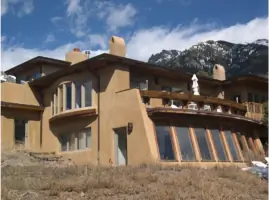
Architectural Harmonics is an alliance of professionals dedicated to energy and resource-efficient building design, construction management, and land planning. Founded in 1969, our firm integrates ecological principles with architectural innovation to create spaces that harmonize with their natural surroundings. We specialize in Biome Design, a methodology that considers natural forces, regional resources, and indigenous wisdom to create sustainable, self-regenerative ecosystems. Our work spans residential, commercial, and sacred spaces, emphasizing the sanctity of life and the Earth's natural systems. With licenses in Colorado and New Mexico, we bring decades of expertise in sacred architecture, Feng Shui, permaculture, and renewable energy technologies.Our philosophy rejects conventional destructive development practices, instead modeling designs after pristine natural environments to ensure sustainability. We approach each project with meticulous attention to detail, ensuring buildings become living entities that interact harmoniously with their local ecology. Our team combines technical proficiency with a deep respect for environmental stewardship, offering clients solutions that balance functionality with spiritual and ecological integrity. We maintain offices in Crestone, Boulder, and Santa Fe, serving clients who seek meaningful, sustainable design. Our commitment to transparency, ethical practices, and client collaboration has established us as trusted leaders in holistic architectural design.

Services
Residential Design
Commercial Architecture
Biome Design
Sacred Spaces
Land Planning
Construction Management
Sustainable Design
Details
- Year established: 1969
Highlights and features
- We offer 55+ years of experience in sustainable architectural design since 1969
- Our Biome Design methodology integrates natural ecosystems with modern building practices
- Licensed professionals in Colorado and New Mexico with expertise in sacred geometry
- We prioritize site-specific solutions that honor local ecology and indigenous wisdom
- Our projects combine renewable energy technologies with traditional building modalities
Services
Residential Design
We create nurturing residential spaces that serve as sanctuaries for occupants. Our designs integrate natural light, sustainable materials, and energy-efficient systems while maintaining aesthetic harmony with surrounding landscapes. Each home reflects the unique needs of its inhabitants while adhering to Biome Design principles that ensure environmental compatibility. Our approach transforms houses into living ecosystems that support both human well-being and ecological balance.
Commercial Architecture
Our commercial projects combine functionality with spiritual resonance, creating work environments that enhance productivity and well-being. We incorporate sacred geometry principles and sustainable technologies to develop buildings that operate as self-sustaining entities within their ecosystems. From childcare centers to real estate offices, each commercial space maintains a harmonious relationship with its natural surroundings while meeting practical business requirements.
Biome Design
This proprietary methodology merges ecological systems with architectural practice to create regenerative built environments. We analyze regional climate patterns, available resources, and indigenous building techniques to develop structures that function as extensions of their natural habitats. Biome Design ensures buildings interact positively with local ecosystems, reducing environmental impact while enhancing occupant health and comfort through natural material selection and passive energy systems.
Sacred Spaces
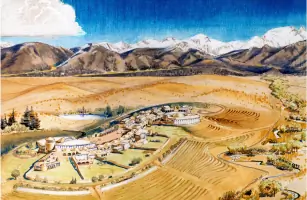
We design spaces that facilitate spiritual connection and contemplation through intentional geometry and material selection. Our sacred spaces incorporate universal proportions, natural acoustics, and symbolic design elements to create environments conducive to meditation and worship. From monasteries to retreat centers, each project honors traditional sacred architecture principles while incorporating modern sustainability standards to create timeless spiritual sanctuaries.
Land Planning
Our land planning services prioritize ecological preservation while optimizing property functionality. We conduct comprehensive site analyses considering topography, water systems, and existing vegetation to create development plans that enhance natural features. This approach ensures minimal environmental disruption while maximizing usable space through strategic placement of structures, circulation paths, and sustainable landscaping that supports local biodiversity and resource conservation.
People
Michael Bertin
Principal Architect
Licensed architect with 55+ years of experience in sustainable design, specializing in Biome Design and sacred geometry. Holds degrees from New York Institute of Technology and has studied indigenous building practices globally. Leads Architectural Harmonics' commitment to ecological stewardship and holistic design principles.
Questions
What makes your architectural approach unique?
Our Biome Design methodology integrates natural ecosystems with modern architecture, creating buildings that function as living systems within their environments through sacred geometry and sustainable technologies.
Do you work on both residential and commercial projects?
Yes, we specialize in both residential and commercial architecture, applying our ecological design principles to create harmonious spaces for living, working, and spiritual practice.
Are you licensed in multiple states?
Michael Bertin is a licensed architect in Colorado and New Mexico, with project experience across multiple states through collaborative partnerships and remote design services.
What locations do you serve?
We maintain offices in Crestone and Boulder, Colorado, and Santa Fe, New Mexico, serving clients throughout these regions with site-specific design solutions.
How do you incorporate sustainability into designs?
We use passive solar design, natural materials, and renewable energy systems while prioritizing site-specific solutions that work with existing ecosystems rather than against them.